
I remember the day that I got accepted into my post graduate program for Digital & Content Marketing. I was excited, curious, but most of all I was nervous for this new journey. I had recently graduated from my undergrad in Law & Society and had barely any experience in the world of marketing and content creating. I was wondering how someone could go from learning about human rights, race & racism, and law to learning about advertisements, SEO, and brand strategies.
However, I knew that this was totally the career that I wanted to pursue. I have always loved and admired the power and influence of social media, and knew that no matter what industry I worked for, I could certainly help grow their digital presence using all the tools in the book. Whether you own a hair salon, a brokerage, or a daycare facility – everyone should be on social media platforms. It helps your business not only grow revenue, but it as well allows your online audience to gain brand loyalty and trust through engaging and elevating content.
Now, it’s been a little over a year since I started the certificate and thought I would share the 15 best tips and tricks that I learned from my valuable instructors, classmates, and assessments during this wonderful 8 month program.
1. Target Market Research

Target market research was probably the most repeated lesson throughout each course. The instructors deeply analyzed the importance of creating content and brand awareness around your target audience. For example, if you’re selling winter jackets, you’re not as likely to promote your brand in the warm climate of Caribbean countries, right? You want to make sure you know your ideal buyer by exploring the marketing segmentation categories through intense research and examination.
There can certainly be more than one ideal buyer who has a completely different behavioural and demographic background than the first user. In that case, you must further investigate the most effective practices needed to satisfy both buyers. For instance, Sephora does a great job in catering to their gen z, millennial, and baby boomer consumers using campaigns that showcase men and women from various age groups, ethnic backgrounds, and skin types.
2. The Marketing Funnel
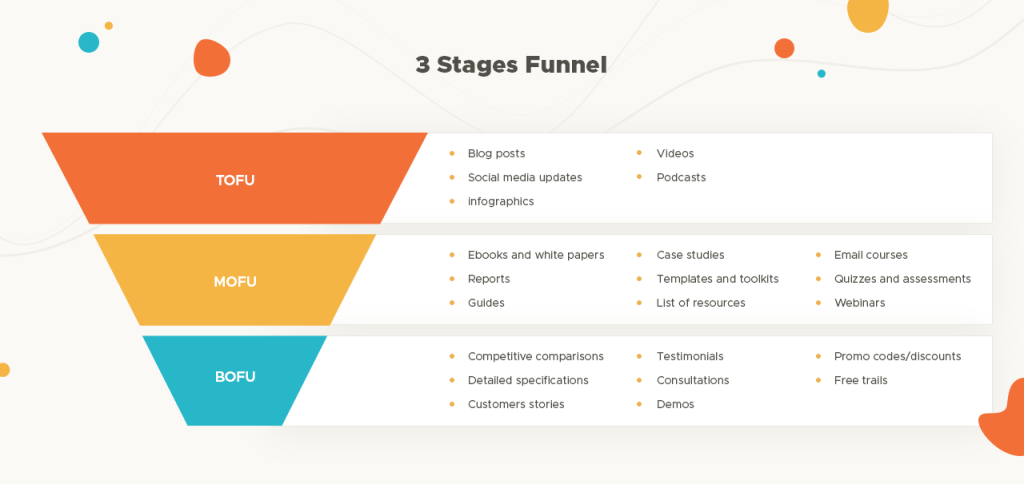
A sales funnel is described as different levels in which a consumer must go through before making the decision to purchase a product. Although there are various stages to the sales funnel, it is crucial to identify that the three main stages are the ‘discovery’ stage (Tofu), the ‘consideration’ stage (Mofu), and the ‘conversion’ stage (Bofu). Each stage of the sales funnel fits significantly well with various pieces of content ideas and digital concepts.
Each stage provides content ideas that would lead a customer through each step, ultimately choosing you over your competitors and going further with re-purchasing though loyalty and advocacy. Companies must use a marketing funnel at all times in order to shrink down their buyers and create an exposure strategy that will allow users to know your name.
Think of this step as an online dating experience. First, the awareness stage is where you match with various partners and explore their profile, interests, and desires. The second stage is the consideration stage, where you begin chatting with your matches – learning more about them, seeing if you would give them a face to face chance to meet, and seeing how they stand out from your other matches. The final stage would be the conversion stage where you have finally picked one match and later choose whether or not you would go on a second date and essentially, ‘re-purchase’.
3. S.M.A.R.T Goals
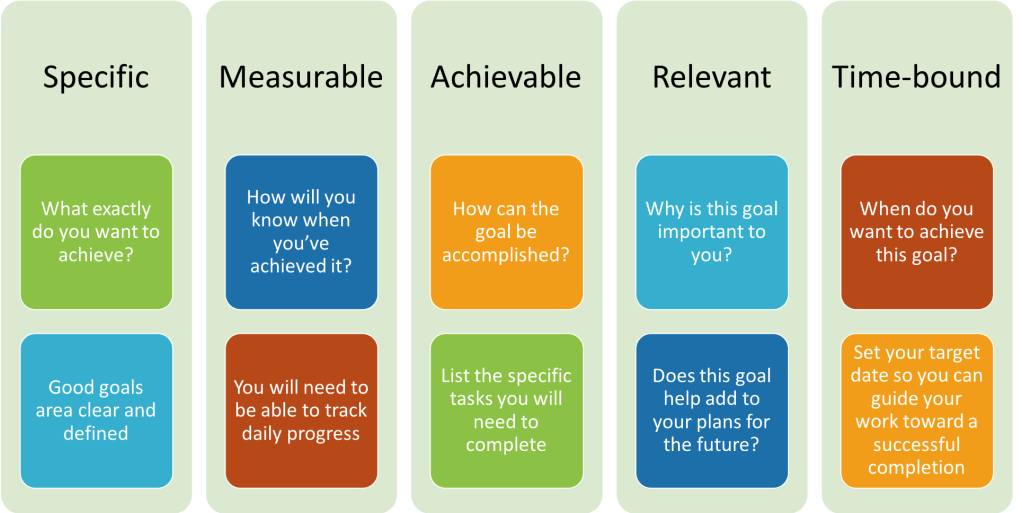
No business can strive without setting important goals. During every project that was assigned, we had to create S.M.A.R.T goals. SMART goals help you stay organized, motivated, and on track for every venture you go through. This guide allows you to be realistic of your business and how you want to achieve success.
Be sure to always have your outline in case your business model shifts, or you need to continue elevating your objectives as you build your brand.
4. How To Come Up With Content

Coming up with valuable content is much harder than it seems. It’s so much more than posting one Instagram photo a week and calling that ‘digital marketing’. It’s important to think outside the box and develop content that will be educational, interactive, and engaging.For instance, having polls, blogs, contests/giveaways, how to guides, tutorials etc are all great ideas to gain followers and brand awareness. If you recently purchased brown leather pants from your favourite retail store, it would be a useful idea for the brand to create a TikTok video or an IGTV video showcasing, ‘5 ways to style your new leather pants’ or ‘the best shoes to match your leather pants’. Creating educational and engaging content will make you stand out from your competitors and it will remind your audience WHY they chose you.
In most of my projects, I had to come up with over 20 content ideas for a single brand. I truly thought that it was an impossible task. However, the more I got to thinking – the options are endless and there is actually so much you can do both digitally and traditionally in the world of online marketing.
5. Personal Branding
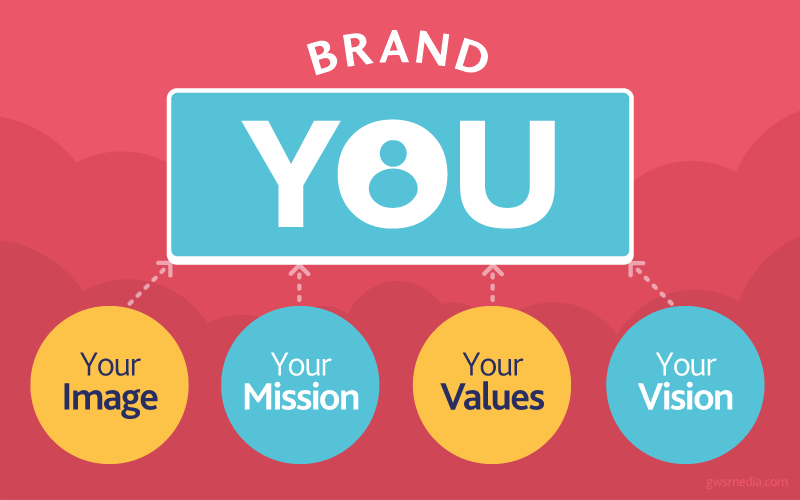
Earlier in the program, I had an instructor who assigned us to simply Google our name and see what comes up. After searching, ‘Michelle Kotler’, I was surprised to see my social handles on the second page of the Google search. He emphasized the importance of personal branding and how it can boost our presence as digital marketers.
The instructor encouraged us to start blogs and social handles that represent our interests and passions in case future employers were to find those profiles. I made a Twitter and an Instagram account outlining my passion for both fashion and female empowerment. I discussed the latest trends and made sure to evaluate how my opinions will be associated to my name. After the assignment, I ranked up in the search and was finally found on the first page. It was a fun assignment that made me want to pursue blog writing and consistent posting through my own social media channels.
6. How To Create Ads

Social media ads are one of the most effective tools in digital marketing. Social networks utilize user information to serve highly relevant advertisements based on interactions within a specific platform. In many instances, when target market aligns with the user demographics of a social platform, social advertising can provide huge increases in conversions and sales with lower cost of acquisition.
One of the most detailed ads we learned how to make was Google ads. We were assigned a restaurant where we had to explore a campaign we would use, the keywords, the Adwords, and the text that would be displayed to the online user. Although we did not pay and actually run the ad, it taught us how to write and create them using target market generators and specific keyword technology.
7. Search Engine Optimization (SEO)

One of my favourite classes focused a lot on SEO and the purpose of this essential term in the digital marketing industry. SEO is the process of optimizing your website to get organic, or un-paid, traffic from the search engine results page. SEO involves making certain changes to your website design and content that make your site more attractive to a search engine. You do this in hopes that the search engine will display your website as a top result on the search engine results page.
One of our assignments facilitated us to run an SEO audit. We used specific tools to run the SEO website for a brand of our choice. Once the audit was completed, the website examined all the things that are wrong with the company’s SEO strategy. For instance, the wrong spelling of certain words, language barriers, unclear images, and much more. It was my job to outline the things that the brand can do to improve their SEO ranking (striking headlines, keywords, subheadings, meta descriptions etc.). So cool, right?!
8. How To Brief an Agency

To ensure your agency brief or marketing brief document is effective, you must make it concise and focused. Our instructor assigned us the telecommunication’s company, Telus. We had to come up with a campaign and outline the business’s objectives, current performance, competitors etc. I chose a ‘back to school’ campaign to target Canadian students. I considered the current market trends with the company and the value that their promotions would have for back to school students.
Additionally, I examined the company’s challenges, key threats, and opportunities that would make them stand out to their Rogers and Bell competitors. I outlined the objectives for the campaign and carefully explained their desired outcomes, key message, and brand voice. Although all of the information was fictional, it was a useful way to practice agency brief documents and learning the relevance of staying concise and on track when focusing on the main factors.
9. How to Make A Branding Strategy

I can confidently say that this was the most time consuming assignment throughout the entire program. I finished this project with 40 pages, a 95% mark, and a kick ass branding strategy for my one of my favourite retail brands, Artizia. Again, all of the information in terms of a budget, influencers, and content and ad proposals were fictional, it gave me a chance to do some insight research on Aritzia and how they could bring my personal branding strategy ideas to life. The components in the branding strategy included:
- An executive summary of the brand, their owner, and history
- Goals, objectives, & budget
- Audience profile and buyer’s personas
- Buyer’s journey map
- How Aritzia solves problems for their consumers
- Competitive analysis and unique selling points
- Content creation, distribution, social media plan
- Content calendar
- Team, resources, processes, governance
- Measurements and analysis of success
10. How To Create My Own Company + Strategy

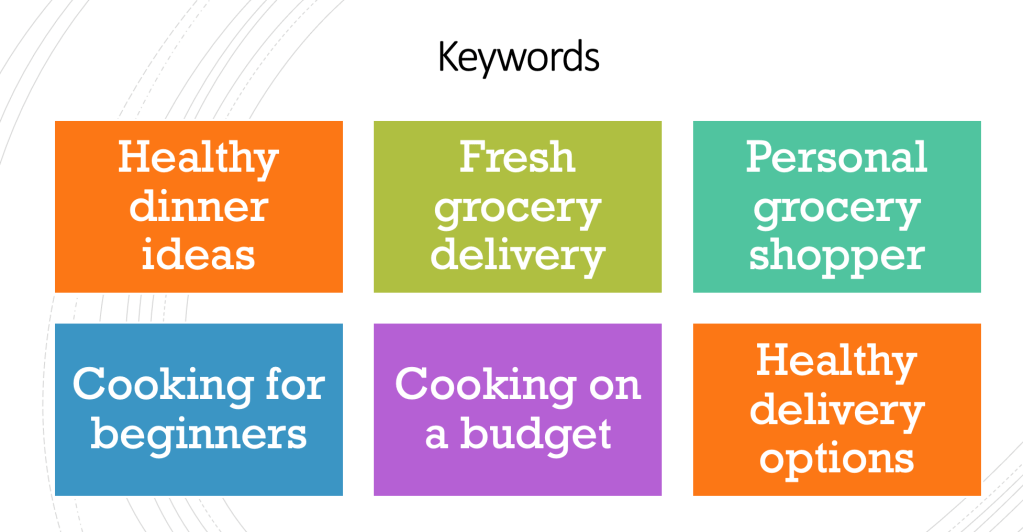
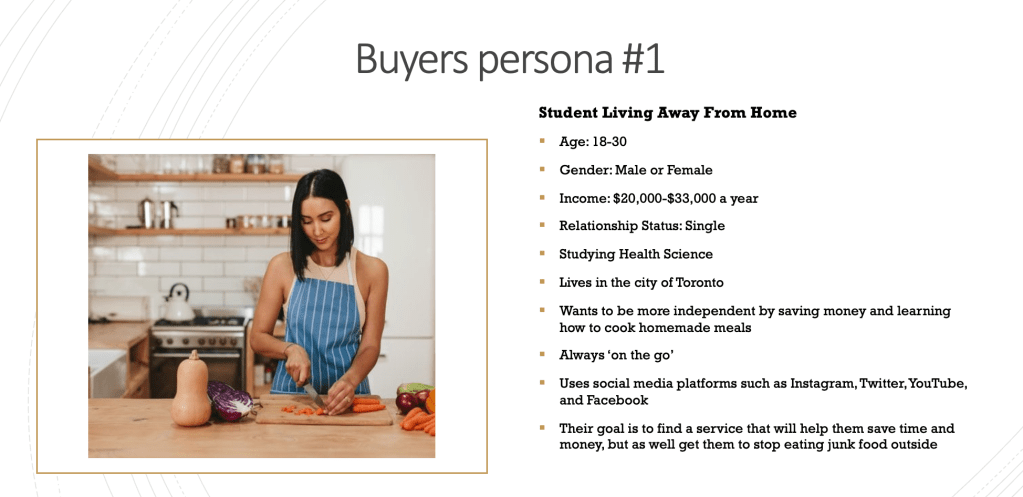
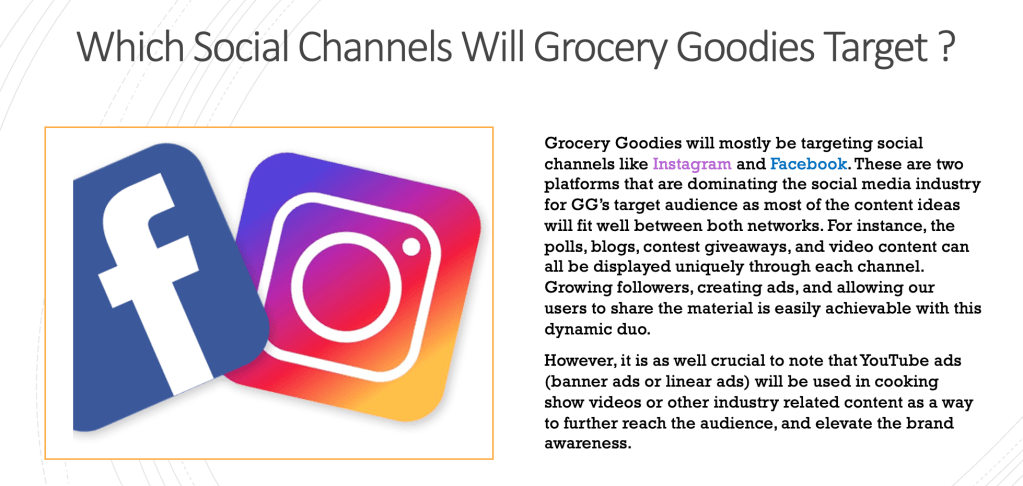
One of my favourite instructors granted us the opportunity to create and design our very own company and marketing strategy. We were responsible for developing the name, description, goals, content calendar, buyer’s persona’s & over 16 content ideas including blogs, quizzes, influencer marketing, giveaways, customer appreciation posts, theme posts, and so much more. This assignment allowed me to explore my passion for food and evaluate how I would stand out from industry competitors through content and social strategy movements.
11. Influencer Marketing


Influencer marketing has become one of the most effective ways to get your brand, product, and message across. It is critical to carefully select an influencer who fits the brand through their overall mission and vision. For my influencer marketing project, I chose the company ‘Matt & Nat’. This vegan fashion brand focuses on introducing chic and classy sustainable styles to your everyday wardrobe. When picking an influencer to fictionally ‘market’ this brand, I chose Sophia Esperanza. She is a young animal rights model and online influencer who strives on living a plant based lifestyle.
I randomly selected her to market the brand’s new spring collection and created Instagram, Facebook, and Twitter posts mimiking how she would influence her followers. I made sure to do ‘sponsored’ or #ad in each post to follow the contract and showcase her collaboration with the company.
12. Email Marketing
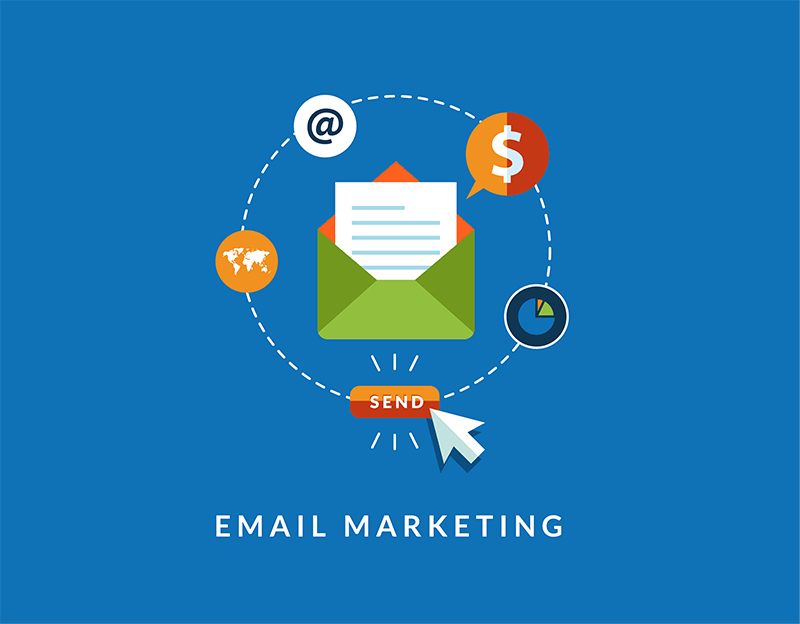
Email marketing is a great way to ensure strong relationships with prospects and customers. The program introduced us to the platform ‘MailChimp’, which allows businesses and individuals to send out emails using unique templates and designs. For our final project, we were paired up to work with real companies who we were able to get in contact with to achieve their email marketing goals and objectives. My group created four separate emails outlining the current covid-19 pandemic and how the company has been impacted by the outbreak, the services the company provides, a contest, and a winning email to display the contest winner. This assignment gave us the opportunity to explore MailChimp and the various features the tool comes with.
Not to mention, we learned a tremendous amount about CASL (Canada’s Anti-Spam Legislation). This federal law was constructed to ensure that email marketing consumers are safe from spam or any other electronic threats. It as well outlines the importance of consent and making sure that the consumer on the other side has consented to your brand sending them an email forum under CASL’s regulations.
13. How To Create A Content Calendar

The purpose of a content calendar is to experiment with your publishing schedule. It helps your company stay organized and on top of digital marketing needs. It can include product launches, collaborations, giveaways, social media posts, video content, announcements, and so much more.
With most of my assignments, we had to create a content calendar and include all the content ideas we outlined. It is important to stick with a specific timeline and avoid certain holidays and weekends depending on your brand. I was taught that morning or afternoon time can be the most sufficient time to post. Furthermore, having multiple things included in your content calendar allows an open window to changing/switching content in the future. The program introduced me to ‘Hootsuite’, which has become my favourite platform for scheduling, analyzing, and organizing social content.
14. The PESO Model

The PESO model makes it easy for consumers and marketers to understand the types of content brands can use to reach their audience and better promote their business.
Paid Media – Is really just ads. Sponsored content, Facebook, Twitter & Instagram ads etc. This is content you must pay for to boost your digital appearance.
Earned Media – Is media that either a blog, magazine, or newspaper writes about your brand. If your brand or product gets introduced on the news tomorrow, that is considered earned media. The only downside to earned media is that you do not control the narrative. Therefore, negative things could be said even though it is publicity.
Shared Media – This centers around social media. This includes social posts, Instagram stories, Facebook Live, TikTok etc. This media is truly about being ‘social’ and creating that sense of community and interactive engagement.
Owned Media – This is media that your brand owns. Something that is your post, blog, or video. You control the messaging and the story of that particular content.
15. How To Measure Success

When being a digital marketer, you have to ask yourself, “how do I really know if my content is being viewed? How do I know if any purchases or clicks were made from my sponsored ad?”. You have to look at your analytics and KPI’s to determine whether or not your ROI (Return on Investment) is truly worth it. Besides Google Analytics and Instagram/Facebook Analytics, it is important to include additional KPI’s and metrics in your objectives in order to measure success and progress in your digital strategy. Some KPI’s and metrics include:
- Social media reach & engagement (new followers, comments, likes, shares etc.)
- Website traffic (average session duration, new users, page views etc.)
- Conversion rate
- Sales volume
- Customer Acquisition Cost
- New email subscribers and unsubscribers
 The M Word